Emergency Dental Care in Karaikkudi
Need Urgent Dental Care? Here's When You Should Act Quickly
Dental emergencies can happen without warning and may involve severe tooth pain, broken or knocked-out teeth, swelling, bleeding, or dental infections. Some conditions require immediate professional attention to relieve pain, prevent infection, and improve the chances of saving your natural tooth. At Thamba Kids & Family Dentistry, we provide Emergency Dental Care in Karaikkudi with prompt clinical assessment and personalised treatment based on the cause and severity of your condition. Early diagnosis helps reduce complications and supports faster recovery while protecting your long-term oral health.
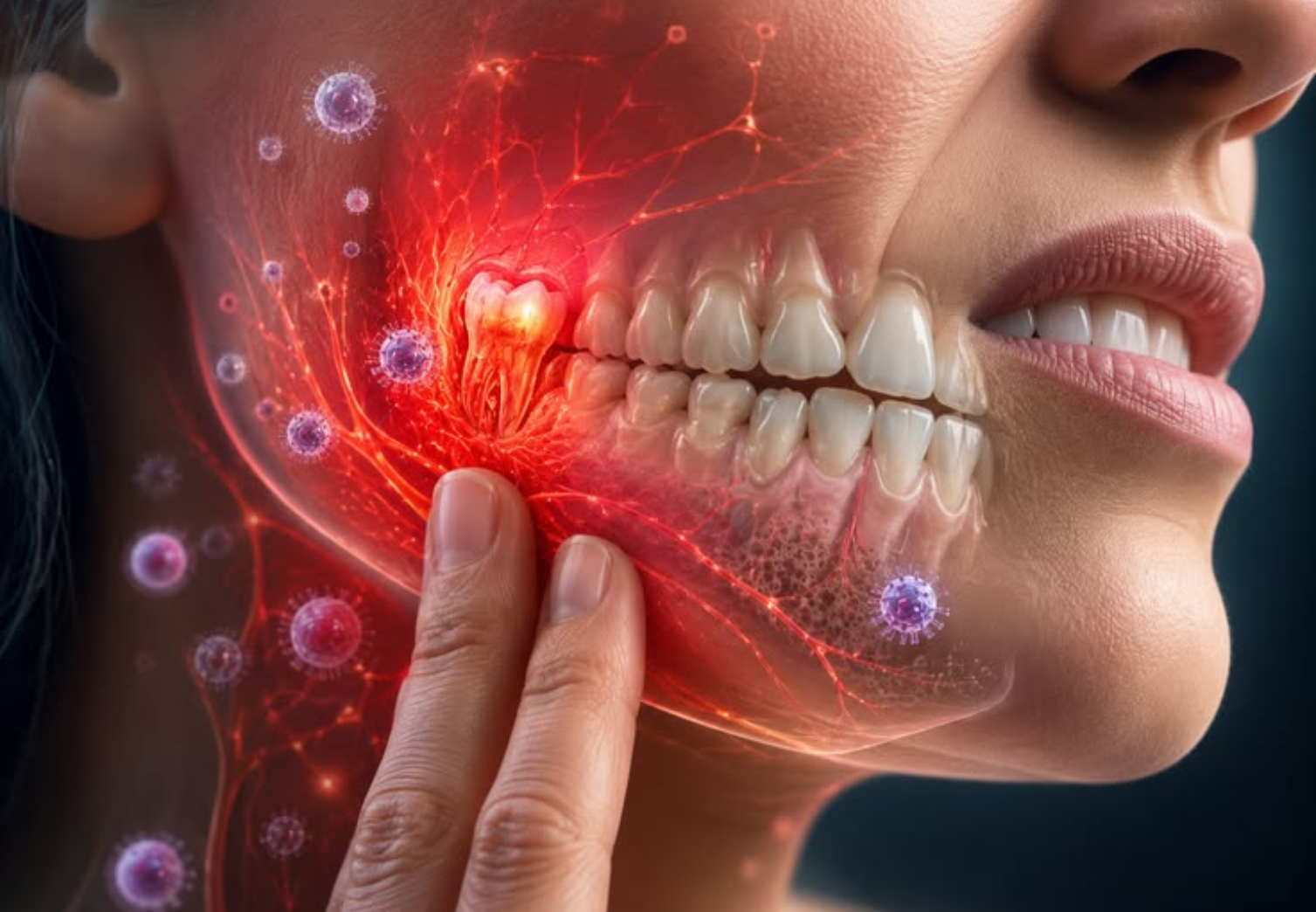
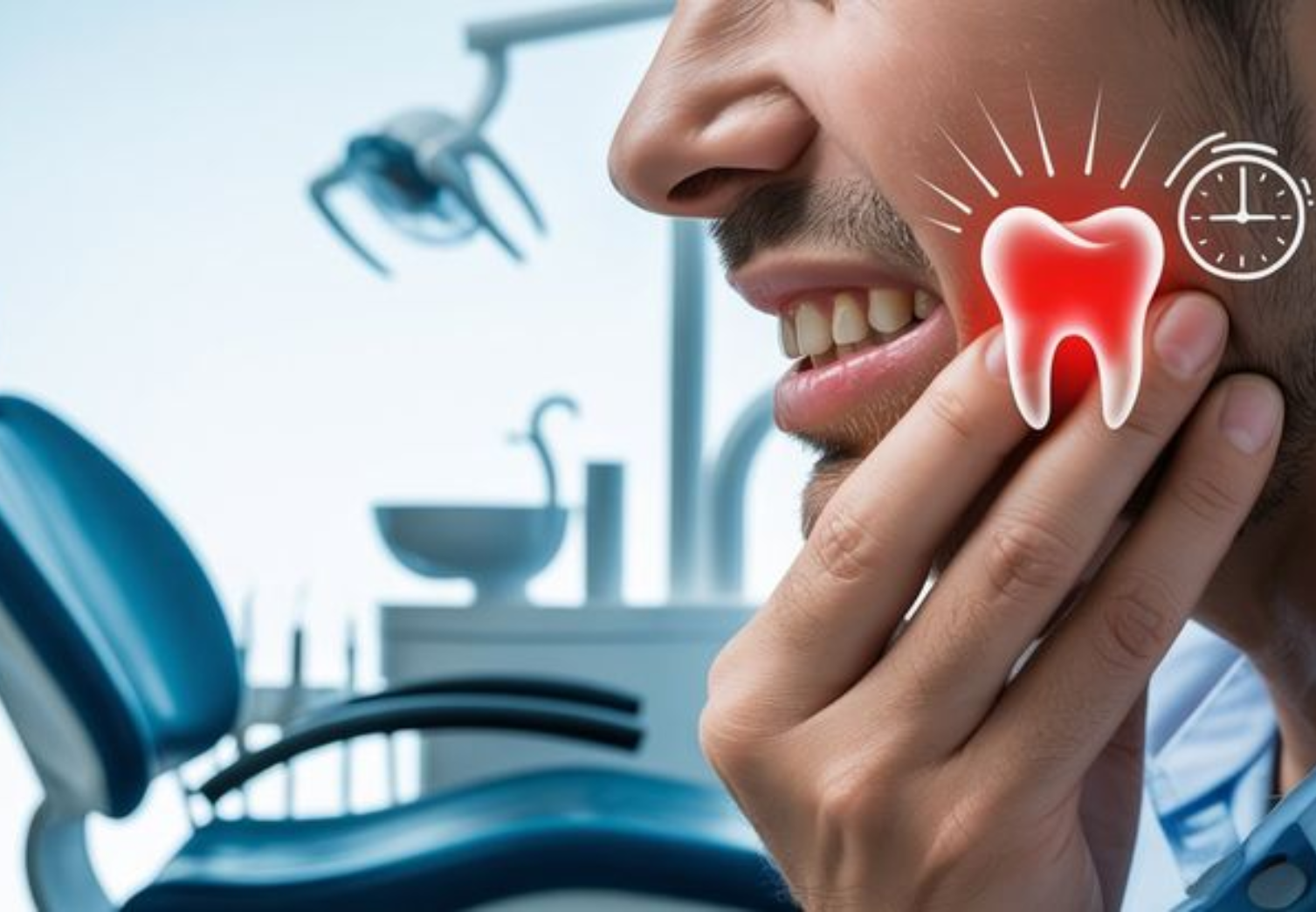
Emergency Dental Care in Karaikkudi for Immediate Pain Relief and Prompt Treatment
Dental emergencies often occur unexpectedly and can affect your ability to eat, speak, sleep, or carry out everyday activities. While some dental concerns can safely wait for a routine appointment, others require urgent professional care to prevent infection, control pain, or protect damaged teeth.
At Thamba Kids & Family Dentistry, we provide Emergency Dental Care in Karaikkudi for children, teenagers, adults, and senior patients experiencing urgent dental problems. Every emergency is assessed individually to identify the underlying cause before recommending the most appropriate treatment for lasting relief and long-term oral health.
Recognising a Dental Emergency
Some dental problems require immediate attention because delaying treatment may increase the risk of infection, permanent tooth damage, or more complex treatment later. Knowing the warning signs can help you decide when to seek urgent dental care.
What Is Considered a Dental Emergency?
A dental emergency is any oral condition that causes severe pain, uncontrolled bleeding, facial swelling, significant trauma, or a suspected infection that requires prompt professional evaluation.
Common Dental Emergencies Include
- Severe or persistent toothache
- Broken or fractured tooth
- Knocked-out permanent tooth
- Facial swelling caused by infection
- Uncontrolled bleeding after dental trauma
- Dental abscess
- Injury to the lips, tongue, or gums
- Loose permanent tooth following an accident
If you're unsure whether your symptoms require urgent treatment, a dental examination can help determine the most appropriate course of action.
Dental Injuries That Need Immediate Care
Accidents during sports, falls, road traffic incidents, or biting hard objects can damage your teeth or surrounding oral tissues. Acting quickly after a dental injury often improves the chances of preserving your natural tooth and reducing further complications.
What Should You Do If Your Tooth Breaks or Gets Knocked Out?
A broken or knocked-out tooth should be examined as soon as possible. Until you reach the clinic:
- Keep any broken tooth fragments if available.
- Hold a knocked-out tooth by the crown, not the root.
- Store the tooth in milk or saline if possible.
- Rinse your mouth gently with clean water.
- Avoid chewing on the injured side.
- Contact the dental clinic immediately.
Prompt treatment gives your dentist the best opportunity to protect or preserve the affected tooth whenever clinically possible.
Severe Tooth Pain and Facial Swelling Should Never Be Ignored
Persistent tooth pain or swelling is often a sign that the underlying problem requires professional attention. These symptoms may indicate infection, deep tooth decay, inflammation inside the tooth, or other conditions that are unlikely to improve without treatment.
When Does Tooth Pain Become an Emergency?
Pain should be assessed urgently if it:
- Prevents you from eating or sleeping
- Continues to worsen
- Is accompanied by swelling
- Occurs after an injury
- Causes pain while biting
- Is associated with fever or pus
Ignoring severe symptoms may allow the condition to progress and increase the complexity of treatment.
Your First Emergency Dental Visit
Many patients are unsure what happens during an emergency appointment. The first priority is to identify the cause of the problem, relieve discomfort where possible, and determine the most suitable treatment based on your condition.
What Can You Expect During Your Visit?
Your emergency appointment may include:
- Discussion of your symptoms and medical history
- Clinical examination
- Digital dental X-rays, when required
- Assessment of damaged teeth and surrounding tissues
- Immediate pain management where appropriate
- Explanation of treatment options and next steps
Every emergency is different, so your treatment plan will be personalised according to your diagnosis and oral health needs.
Emergency Dental Treatments for Different Dental Problems
Every dental emergency is different. Some conditions require immediate pain relief, while others focus on controlling infection, protecting damaged teeth, or restoring normal oral function. The most appropriate treatment depends on the underlying cause rather than the symptoms alone.
Following a thorough examination, your dentist recommends treatment that addresses both the immediate problem and your long-term oral health. The goal is not only to relieve discomfort but also to prevent the condition from becoming more serious.
What Emergency Treatment Might I Need?
The recommended treatment depends on your diagnosis and the condition of the affected tooth or surrounding tissues.
| Dental Emergency | Possible Treatment |
|---|---|
| Severe toothache | Pain relief, Root Canal Treatment, or restorative treatment if appropriate |
| Broken or fractured tooth | Dental bonding, crown, or other restorative care |
| Knocked-out permanent tooth | Tooth preservation and reimplantation where clinically possible |
| Dental abscess | Infection management and appropriate dental treatment |
| Lost filling or crown | Temporary protection or replacement |
| Soft tissue injury | Cleaning, bleeding control, and evaluation of oral tissues |
Your dentist will explain every available option before beginning treatment.
Saving Your Natural Tooth Whenever Possible
Protecting natural teeth is always one of the primary goals of emergency dental care. Prompt treatment often improves the likelihood of preserving the tooth, especially after trauma or severe infection.
The success of treatment depends on several factors, including the extent of the damage, how quickly you receive professional care, and the overall health of the affected tooth.
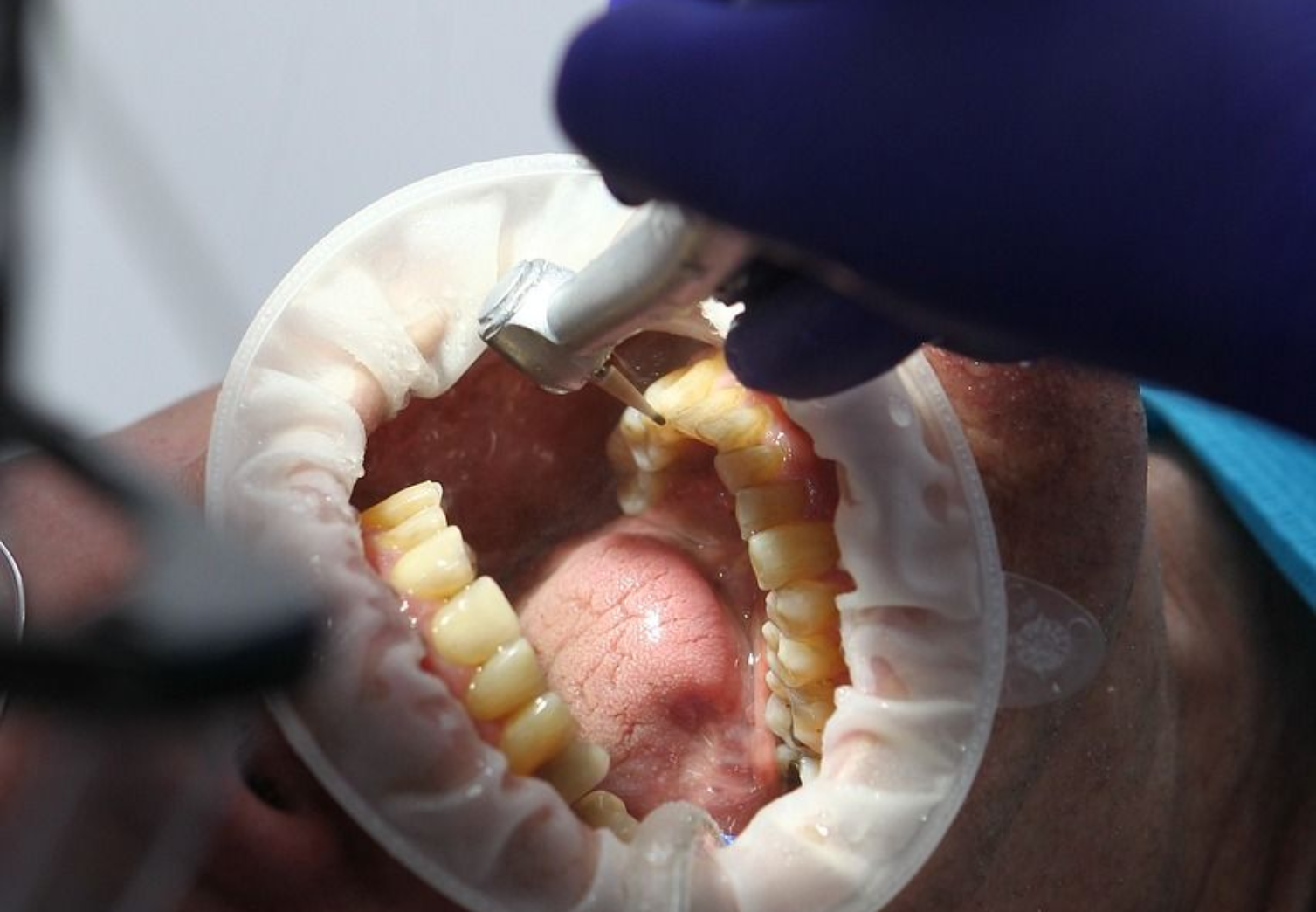
Can Every Damaged Tooth Be Saved?
Not every damaged tooth can be preserved, but early diagnosis greatly improves the chances. Whenever possible, your dentist will recommend treatments that maintain your natural tooth before considering replacement options.
Factors influencing tooth preservation include:
- Type of injury
- Amount of remaining healthy tooth
- Severity of infection
- Time between injury and treatment
- Overall oral health
- Condition of supporting bone and gums
Knowing When Immediate Treatment Cannot Wait
Some dental problems can safely wait until the next available appointment, while others require urgent attention. Recognising the difference helps reduce the risk of complications and unnecessary delays.
Ignoring serious symptoms may allow infection to spread, increase discomfort, or make future treatment more complex.
Which Symptoms Need Same-Day Dental Care?
You should contact an emergency dentist immediately if you experience:
- Persistent or worsening tooth pain
- Rapid facial swelling
- Knocked-out permanent tooth
- Continuous oral bleeding
- Severe pain while biting
- Swelling accompanied by fever
- Difficulty swallowing or opening your mouth
If you are uncertain about your symptoms, a prompt professional assessment is the safest approach.
Why Early Emergency Care Makes a Difference
Many dental emergencies become more difficult to treat when professional care is delayed. Early intervention allows your dentist to diagnose the cause before additional damage develops and helps preserve healthy teeth and surrounding tissues.
Receiving treatment early may help:
- Control infection before it spreads
- Reduce damage to surrounding teeth
- Preserve healthy tooth structure
- Improve treatment outcomes
- Restore comfort more quickly
- Reduce the need for extensive dental procedures later
Seeking care at the earliest opportunity supports both immediate relief and long-term oral health.
Personalised Emergency Care for Every Patient
No two dental emergencies are exactly alike. Even when two patients experience similar symptoms, the underlying causes and appropriate treatments may be completely different.
Every emergency assessment considers your symptoms, dental history, oral health, and diagnostic findings before recommending treatment. This personalised approach ensures that care is tailored to your individual needs rather than following a standard treatment plan.
Why Is a Personalised Assessment Important?
A detailed examination helps your dentist:
- Identify the exact cause of the emergency
- Recommend the most suitable treatment
- Avoid unnecessary procedures
- Protect healthy teeth whenever possible
- Plan any follow-up care if required
- Support long-term oral health
Accurate diagnosis is the foundation of safe and effective emergency dental care.
Why Choose Thamba Kids & Family Dentistry for Emergency Dental Care in Karaikkudi?
Dental emergencies require prompt attention, clear communication, and treatment based on accurate diagnosis. At Thamba Kids & Family Dentistry, we focus on identifying the underlying cause of your emergency and providing appropriate care that relieves discomfort while protecting your long-term oral health.
From the moment you arrive, our team prioritises careful assessment, personalised treatment planning, and compassionate support to help you feel informed and comfortable throughout your visit.
Why Patients Trust Our Emergency Dental Care
- Priority assessment for urgent dental concerns
- Thorough clinical examination and diagnosis
- Digital imaging for accurate evaluation
- A conservative approach focused on preserving natural teeth
- Personalised treatment recommendations
- Comfortable and patient-centred care
- Clear explanation of treatment options
- Ongoing support and follow-up when required
Recovering After a Dental Visit
Emergency treatment is often the first step towards restoring your oral health. Depending on the nature of the dental problem and the treatment provided, your mouth may need time to heal before normal function fully returns. Following your dentist's advice during recovery helps reduce discomfort and supports healthy healing.
Every patient's recovery is different. Healing depends on the type of dental emergency, the treatment performed, your overall health, and how well post-treatment instructions are followed.
How Long Does Recovery Usually Take?
Recovery varies from patient to patient. Minor dental injuries may improve within a few days, while more complex conditions involving infection or extensive treatment may require a longer healing period and additional review appointments.
Your dentist will explain:
Expected healing time
Activities to avoid
Follow-up requirements
Signs of normal healing
When normal chewing can resume
When to contact the clinic again
Looking After Your Mouth During Recovery
Good aftercare plays an important role in protecting the treated area and supporting comfortable healing. Simple daily habits can reduce irritation and lower the risk of further complications while your mouth recovers.
Following your personalised instructions helps ensure the best possible outcome after emergency dental care.
How Can You Support Healing at Home?
Your dentist may recommend:
- Keeping the treated area clean
- Taking prescribed medication as directed
- Eating softer foods if advised
- Avoiding smoking and tobacco products
- Drinking plenty of water
- Maintaining gentle oral hygiene around the affected area
These measures help protect healing tissues and support a smoother recovery.
Knowing When to Contact Your Dentist Again
Most patients recover without complications, but certain symptoms should always be reviewed by a dental professional. Recognising these warning signs allows treatment to be provided before the condition becomes more serious.
Early review appointments often prevent minor concerns from developing into larger problems.
Which Symptoms Should You Never Ignore After Treatment?
Arrange a dental review if you experience:
- Increasing pain instead of improvement
- Persistent swelling
- Continuous bleeding
- Fever or feeling unwell
- Difficulty swallowing
- Damage to a temporary restoration
- New pain while biting
If you are uncertain about your recovery, contacting your dentist for advice is always recommended.
Preventing Future Dental Emergencies
Many dental emergencies develop gradually rather than suddenly. Regular dental examinations allow developing problems to be identified and treated before they become painful or require urgent care.
Prevention not only protects your teeth but also reduces the likelihood of unexpected dental visits.
What Can You Do to Protect Your Teeth?
Simple preventive habits include:
- Attending regular dental check-ups
- Treating cavities before they become severe
- Wearing a mouthguard during contact sports
- Avoiding chewing hard objects such as ice or pens
- Managing teeth grinding if recommended
- Maintaining good oral hygiene every day
Small preventive steps today often reduce the risk of future emergencies.
Protecting Your Smile for the Long Term
Emergency treatment focuses on resolving the immediate problem, but maintaining long-term oral health requires continued care. Routine dental visits help monitor previously treated teeth, identify new concerns early, and preserve healthy teeth and gums over time.
Whether your emergency involved an injury, infection, or damaged restoration, ongoing preventive care plays an important role in keeping your smile healthy and functional.
Why Are Regular Dental Reviews Still Important?
Routine dental reviews help your dentist:
- Monitor healing progress
- Evaluate previous emergency treatment
- Detect new dental problems early
- Assess existing fillings, crowns, or restorations
- Maintain healthy gums
- Support long-term oral health
Regular care provides peace of mind and helps reduce the likelihood of future dental emergencies.
Emergency Dental Care for Every Stage of Life
Dental emergencies can affect people of all ages, from young children with sports injuries to adults with severe tooth pain and older adults experiencing problems with existing dental restorations. Although the causes may differ, prompt assessment is important to relieve discomfort and prevent further complications.
At Thamba Kids & Family Dentistry, emergency dental care is tailored to each patient's age, oral health, and the nature of the emergency, ensuring appropriate treatment for both immediate relief and long-term oral wellbeing.
Who Can Benefit from Emergency Dental Care?
Emergency dental treatment may be required for:
- Children with dental injuries or tooth pain
- Teenagers involved in sports-related accidents
- Adults with broken, cracked, or infected teeth
- Older adults experiencing problems with crowns, bridges, or dentures
- Patients with sudden swelling or oral infections
- Anyone experiencing unexpected dental pain or trauma
Every emergency is assessed individually to provide the most appropriate care.
Areas We Serve
Thamba Kids & Family Dentistry provides Emergency Dental Care in Karaikkudi for patients experiencing severe tooth pain, dental injuries, swelling, broken teeth, oral infections, and other urgent dental concerns. We welcome patients from Karaikkudi and surrounding communities seeking prompt, personalised emergency dental treatment.
We regularly care for patients from:
- Karaikkudi
- Devakottai
- Pallathur
- Kandanur
- Kallal
- Puduvayal
- Tirupathur
- Sivaganga
- Manamadurai
- Singampunari
- Kalayarkoil
- Aranthangi
- Ponnamaravathi
- Ramanathapuram
- Nearby towns and villages
Whether you're searching for an Emergency Dentist in Karaikkudi, Urgent Dental Care near Devakottai, or Emergency Tooth Pain Treatment in Sivaganga, our team is committed to providing timely care when you need it most.
Prompt Care Can Make All the Difference
Dental emergencies often happen without warning, but acting quickly can make a significant difference to your treatment outcome. Whether you're experiencing severe pain, a broken tooth, swelling, or a dental injury, seeking professional care early helps relieve discomfort, reduce complications, and improve the chances of preserving your natural teeth.
At Thamba Kids & Family Dentistry, we provide compassionate, evidence-based emergency dental care with a focus on accurate diagnosis, timely treatment, and long-term oral health. Every patient receives personalised care based on their individual needs, ensuring the most appropriate solution for both immediate relief and future dental wellbeing.
Book an Emergency Dental Appointment
If you or a family member is experiencing a dental emergency, don't wait for the problem to worsen. Contact Thamba Kids &Family Dentistry to arrange an emergency dental assessment. Early treatment can help protect your oral health, relieve pain, and reduce the need for more extensive procedures in the future.
Frequently Asked Questions
Calling the clinic before arriving helps the dental team understand your condition, prioritise urgent cases, and prepare for your visit. If you're experiencing severe pain or a dental injury, contact the clinic as soon as possible.
Dental emergencies involving tooth pain, broken teeth, dental infections, or lost restorations are generally managed by an emergency dentist. If the injury involves severe facial trauma, difficulty breathing, or uncontrolled bleeding, immediate hospital care may be required.
Yes. Children may experience dental injuries, toothaches, swelling, or accidents involving both baby and permanent teeth. Early professional assessment helps protect their developing oral health.
If available, bring:
- Broken tooth fragments
- A knocked-out tooth stored safely
- Any damaged dental appliance
- Current medication details
- Relevant medical information
These details can assist your dentist during the examination.
Over-the-counter pain relief may temporarily reduce discomfort for some patients. However, medication does not treat the underlying dental problem, so professional examination remains essential.